Explaining Hearing Loss to Your Loved Ones
Living with hearing loss isn’t always easy. However, with the right
By: admin | March 25, 2026
After 40, it becomes more common to think about health in practical ways. Routine checkups, eye exams and keeping an eye on things like blood pressure often become part of a regular schedule.
Hearing does not always get the same attention, mostly because changes are not always obvious at first.
You might notice certain conversations take a bit more effort to follow or that you ask someone to repeat themselves more than you used to. Small moments like that can be easy to brush off, but they can also be a reason to check in on how your hearing is doing.
Regular hearing screenings are not only about identifying a problem. They also provide a clearer picture of how your hearing is functioning in everyday situations.
Hearing plays a role in how easily you communicate with others, stay engaged at work and move through activities without extra effort. When hearing shifts even slightly, those experiences can feel more tiring or frustrating without an obvious explanation.
A baseline test and scheduling occasional screenings after 40 is a simple way to stay informed and address any changes before they begin to affect your life.
Hearing begins when sound from the world around you enters the ear.
The outer ear helps gather those sounds and directs them through the ear canal. The sounds reach the eardrum, which begins to move in response to the vibrations. That movement is passed along through three very small bones in the middle ear.
These bones help carry the sound deeper into the ear. The vibrations then travel to the cochlea. The cochlea is a small, spiral-shaped structure filled with fluid and lined with tiny hair cells that respond to sound.
Inside the cochlea, those hair cells respond to different sounds. They convert the movement into electrical signals.
These signals travel along the auditory nerve to the brain. There, they are recognized as speech, music or other sounds. This process happens almost instantly.
That is why hearing usually feels effortless in daily life. Several parts of the ear and brain work together to make this possible. They turn simple sound waves into the sounds you understand and respond to each day.
Changes in hearing often become noticeable through small moments in conversations or activities rather than a single moment. Since the brain frequently fills in missing pieces of sound, it can be harder to recognize that anything has changed at first.
Some common signs include:
Hearing loss can occur for several reasons, and aging is one of the most common.
As we age, the tiny structures in the inner ear that detect sound can gradually lose sensitivity, making it harder to hear certain tones or follow conversations, especially in noisy settings.
These changes usually happen gradually, so it’s easy to miss them at first. Other factors, like long-term exposure to loud sounds, certain health conditions and some medications, can also affect hearing.
While some changes are normal with age, paying attention early can help you manage them before they start affecting your life.
Several things can affect your hearing as you get older, and family history is one of the more important ones. If hearing loss runs in your family, you may be more likely to experience similar changes as you age.
Genetics can influence how the inner ear processes sound and how it changes over time. Knowing your family’s hearing history can give you a better sense of what to expect and when you should test your hearing.
Certain health conditions can also affect your hearing. Issues that affect circulation, like high blood pressure or diabetes, can make it harder for the inner ear to get the oxygen and nutrients it needs.
Since the inner ear depends on steady blood flow to work properly, anything that disrupts circulation can affect how well you hear. Managing these conditions carefully can help protect your hearing and support your overall health.
Medications are worth paying attention to as well. Some drugs can affect the inner ear, especially if you take them for a long time or at higher doses.
That does not mean hearing changes will happen, but it is something to keep in mind. If you notice changes in your hearing after starting a new medication, bring it up at your next appointment.
Many adults start thinking about hearing tests in their 40s, even if they haven’t noticed any problems yet.
A good first step is to schedule a baseline test in your early or mid-40s. This initial test gives you a clear picture of how your hearing is at that point in life.
If the results look normal, most people only need to check back every three to five years to see if anything has changed. These follow-ups help you track whether your hearing is staying steady or starting to shift in certain areas.
As you get into your 50s and 60s, hearing tests are usually done more often. Many people have their hearing checked every one to two years during this stage.
Testing more frequently makes it easier to catch changes early and talk about any steps you might need to take.
Hearing screenings and full hearing tests are both useful for understanding how well you hear, but they are used in different ways.
A hearing screening is a quick check that looks for signs of possible hearing loss. It usually only takes a few minutes and focuses on whether you can hear certain tones at a basic level.
Screenings don’t provide a complete diagnosis – they’re meant to show whether your hearing seems typical or if a more detailed test would be helpful.
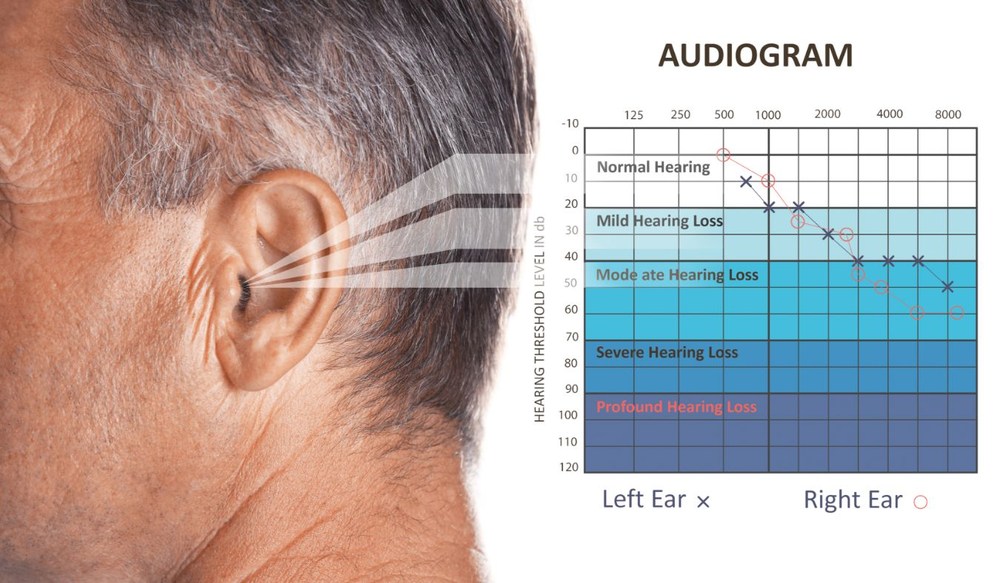
A complete hearing test is more thorough and takes more time because it gathers detailed information about how you hear. During this type of test, different tones and speech sounds are presented at varying volumes and pitches.
The results help show how clearly you hear speech, how each ear compares and whether there are certain sound ranges that are more difficult to detect. This information can also help determine the type and severity of hearing loss, if present.
Screenings are often offered during routine health visits, workplace wellness programs or community events because they are quick and easy to perform.
They serve as a simple way to check whether hearing might have changed. If a screening suggests that hearing may not be within a typical range, a full hearing test is usually recommended.
That next step provides the detailed information needed to better understand your hearing and decide what options may help support clear communication.
Preparing for a hearing test can make the appointment more productive and help ensure the results reflect your full hearing picture.
One step is thinking about your family history. Hearing changes sometimes run in families, so sharing whether parents, grandparents or siblings have experienced hearing loss can give useful context.
It can also help to reflect on any recent listening situations that felt challenging so you can describe them during the visit. Even small details about when hearing feels easier or harder can help guide the conversation.
Bringing a list of medications you currently take is another useful step before your appointment. Some medications can affect hearing or balance and having that information available allows it to be considered when reviewing your results.
It is also a good idea to write down any questions you want to ask, so you do not forget them during the visit. You might want to ask about your results or what treatment options would be right for you.
Preparing these details ahead of time helps make the appointment smoother and ensures you leave with a clear understanding of your hearing.
It can sometimes be difficult to know when it’s time to speak with an audiologist, especially if changes in hearing happen gradually. Certain experiences or patterns may signal that a professional evaluation could be helpful.
When to contact an audiologist includes:
Taking care of your hearing as you get older is easier than most people realize. A few simple habits can help prevent hearing loss. Loud environments like concerts, power tool use or listening to music at high volumes can strain your ears.
Using earplugs or earmuffs in these situations is simple and can protect your hearing more than you might expect.
Give your ears a little vacation whenever possible. Even stepping away from a noisy setting for a few minutes helps your ears bounce back and avoid extra strain.
If you’re over 40, it may be time to schedule a hearing test, even if you haven’t noticed any changes. Being proactive with routine tests helps you stay in tune with your hearing and spot small changes before they become bigger problems.
Taking care of your hearing as you age is a practical step that can make daily life feel a little easier.
Checking in regularly, we can notice even small changes before they start to affect conversations, work or social activities. Hearing screenings are not just about finding a problem.
They give us a clear picture of how well we hear in real-world situations and help us make informed choices to protect our hearing. Keeping up with this routine can make communication smoother and help prevent unnecessary frustration.
If you are ready to take a closer look at your hearing, we are here to help. At Peninsula Hearing, our audiologists can guide you through baseline tests, screenings or any questions you have about changes you might notice.
You can reach us at either of our WA locations in Poulsbo and Bainbridge Island at (360) 697-3061, or at Port Townsend at (360) 379-5458. Staying on top of your hearing after 40 is simple, and a few small steps can make a big difference in how you experience sounds every day.
Tags: how-to guides, speech tests

Living with hearing loss isn’t always easy. However, with the right
By: admin | September 30, 2022
Many patients assume that they should take off their hearing aid while
By: admin | August 17, 2022

Tinnitus is a condition in which patients experience sound without any
By: admin | August 3, 2022