Explaining Hearing Loss to Your Loved Ones
Living with hearing loss isn’t always easy. However, with the right

By: admin | May 18, 2026
If you live in the Pacific Northwest, staying active outdoors is just part of the rhythm here. Hiking, kayaking, cycling and spending long stretches of time outside in all kinds of weather. Whatever your routine looks like, your hearing aids need to work with it.
Comfort and performance matter a lot more when you are on the move, and a device that feels uncomfortable or unreliable during physical activity is one you are going to start leaving on the nightstand instead of wearing.
Open-fit hearing aids come up often in conversations with active patients because they tend to feel lighter and less occlusive, meaning your ear canal stays more open and sound comes through in a way that feels closer to natural hearing.
For someone who spends a lot of time moving around outside, that can be a real advantage. They work best for certain types of hearing loss, and depending on your specific hearing levels and daily habits, a different hearing aid style might actually serve you better in the long run.
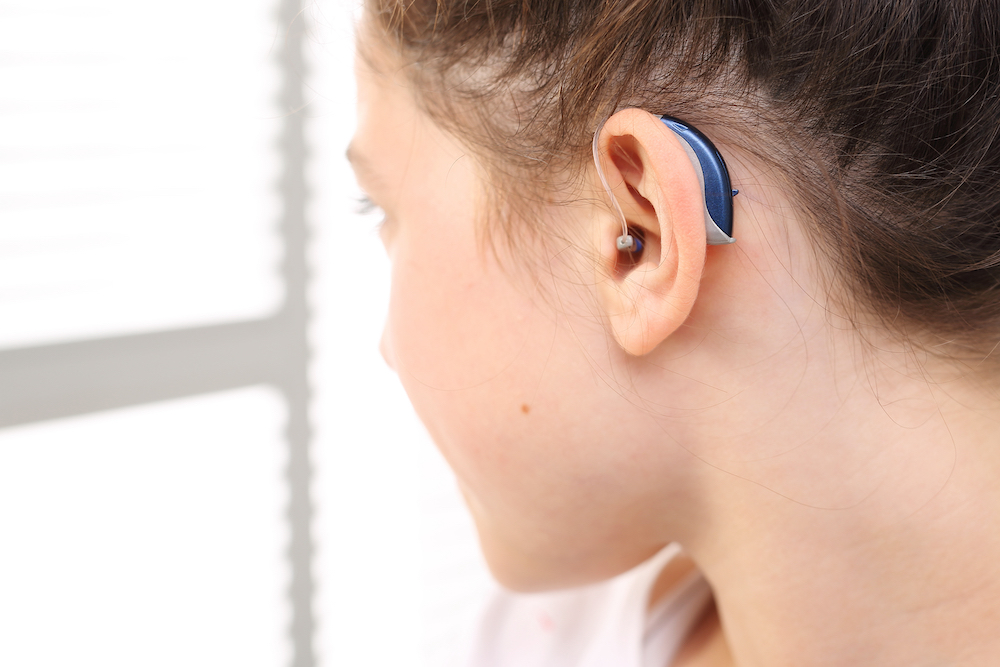
Open-fit hearing aids are designed to let more natural sound into your ear canal while still making speech easier to understand. This specific style sits behind the ear and uses a thin tube or wire to deliver sound, leaving the ear canal mostly unobstructed.
Because your ear stays open, these hearing aids feel lighter and more comfortable for extended wear. You also avoid that plugged-up feeling that some other styles can cause, which is why many active people prefer them when they want to stay aware of what is going on around them during busy days.
Since they sit behind the ear, they can be exposed to sweat and moisture during things like running or cycling. Most newer models handle light moisture and everyday humidity well, but they are not fully waterproof, so a little care still goes a long way.
If you spend a lot of time outdoors in damp weather, you should be mindful of heavy rain or direct water contact.
Comfort matters when you are active or always on the go. When hearing aids fit well, you can focus on your day without dealing with irritation or worrying that something will shift or fall out.
Whether you are out on a local trail or meeting friends, a secure fit helps everything feel easier. Good designs move with you, so you are not distracted by soreness or constantly adjusting them.
Choosing a style that matches your activity level means you do not have to pause a workout or a conversation to adjust your settings. Open-fit styles are particularly effective for walking, jogging or sports because they are engineered to stay in place even during vigorous movement.
The lightweight materials and thoughtful contours of these devices help them blend into your daily life so seamlessly that you might even forget you are wearing them.
Open-fit hearing aids are designed so air can move freely in and out of the ear canal. That steady airflow helps your ears feel cooler and can cut down on sweat buildup when you are active.
Since your ear is not fully blocked, moisture is less likely to get trapped against the skin or inside the device. That extra ventilation also helps reduce the irritation that can sometimes happen with more closed-off styles.
People in the Pacific Northwest often deal with damp air from coastal mist or humidity during hikes.
Open-fit hearing aids work well in this kind of weather because they help handle moisture from everyday conditions like light rain and that constant “liquid sunshine” feel. They are designed to keep working smoothly even when the air is humid.
Modern hearing aids include several specific features that help you stay engaged while you are on the move. These devices are built to be lightweight and use soft materials that rest gently behind the ear for all-day wear.
You can stay focused on your activity because of these built-in tools:
Keeping hearing aids in place matters when you are moving around, especially during runs, workouts or sports. Many people worry about them slipping, but open-fit styles are shaped to sit snugly behind the ear so they stay put during most activities.
If you want a little extra hold, simple add-ons like retention cords or a lightweight headband can help keep things steady while you move and sweat.
These designs are also made to work with everyday gear. The slim shape makes it easier to wear helmets, hats or sunglasses without feeling crowded behind the ear. Glasses usually slide on comfortably, too, since the device sits close to the skin.
For the easiest fit, put your hearing aids on first, then add your helmet, hat or other gear on top.
Battery life is important if you are often out and about. Open-fit hearing aids come with either disposable or rechargeable batteries.
Rechargeable batteries can be charged overnight and used all day, which is convenient for busy schedules. Disposable batteries last several days but require you to carry spares and change them as needed.
Rechargeable batteries reduce trips to the store and create less waste, but they need regular charging. Disposable batteries last longer between changes but add ongoing costs and more items to keep track of each day.
Taking a few minutes to care for your hearing aids after activity can help keep the sound clear and steady. Sweat carries salt and oils that can stick to the outside of the device or work their way into the thin tubing if they are not wiped off.
A simple cleaning helps stop that buildup from affecting how you hear and keeps everything working smoothly during busy days. This is especially helpful if you are often active in humid or damp conditions.
You can keep your devices in good shape by following this post-activity routine:
Specialized items like small brushes, wax loops and microfiber cloths are incredibly helpful for clearing away debris from the tiny openings in your devices.
These tools are designed to reach into small crevices without causing any damage to the delicate internal parts. Using a soft cloth every evening will help remove skin oils or dust that naturally collect on the exterior during the day.
A dehumidifier or drying jar can be really helpful, especially if you live somewhere damp. These tools pull moisture out of the devices while you sleep, which helps protect the internal parts and keeps the sound steady.
A small air blower can also help clear out any moisture that gets stuck in the thin tubing. Keeping these simple supplies nearby makes it easy to work cleaning into your morning or evening routine.
Open-fit models offer a level of ventilation that traditional styles often lack. Because these hearing aids do not seal the ear canal completely, you avoid the heavy or plugged sensation that some people find bothersome.
This design allows lower-pitched sounds to enter the ear naturally while the device focuses on amplifying the specific high-frequency tones you might be missing.
Choosing this style often depends on the specific shape of your hearing loss and how much airflow you prefer throughout the day.
Traditional hearing aids that sit deeper in the canal or use a custom earmold are often better suited for people with more significant or widespread hearing loss. These more enclosed styles provide more power and help control sound for those who need assistance across a wider range of pitches.
While open-fit designs excel at providing a light and airy feel, they are most effective for those who still have good low-frequency hearing.
Choosing the right hearing aid style is not just about what sounds good on paper. It is about what actually works for your hearing loss, your daily routine and how you want to feel while wearing it.
If you are active and starting to explore your hearing aid options, or if you are already wearing something that does not feel quite right for the way you live, we would love to help you figure it out.
Peninsula Hearing has locations in Poulsbo, Bainbridge Island and Port Townsend to serve patients across the region. You can reach the Poulsbo and Bainbridge Island office at (360) 697-3061 or our Port Townsend location at (360) 379-5458.

Living with hearing loss isn’t always easy. However, with the right
By: admin | September 30, 2022
Many patients assume that they should take off their hearing aid while
By: admin | August 17, 2022

Tinnitus is a condition in which patients experience sound without any
By: admin | August 3, 2022