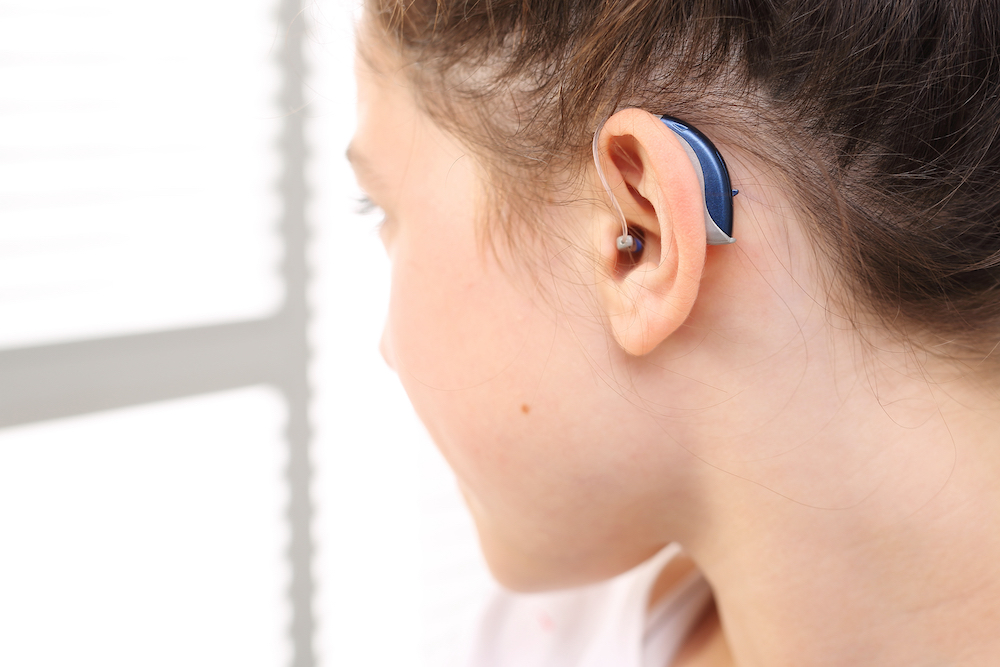
If you live on one of Washington’s peninsulas, catching a ferry across the Sound is part of life. Maybe it’s for work, a doctor’s appointment or a day in the city. You know the low hum of the engines and the announcement telling drivers to head back to their cars.

Lately, when you ride over with your dad, he’s the last one to stand up when that announcement comes on. He waits to see what everyone else does, or he turns to you and asks what they said. On the crossing, he spends more time looking out at the water than talking.

You might not think much of it at first. He could be tired, lost in thought or just enjoying the view. But a steady rumble like the ferry engines makes speech harder to pick out, and that’s often where hearing changes show first.

People with hearing loss also tend to follow along by watching others instead of asking, because they don’t want to keep bothering anyone. You may be the first one to notice, simply because you’re the one sitting next to him.

You’re Usually the Last One to Notice

Maybe you’ve left your turn signal on for three miles lately, or you haven’t heard the birds on your morning walk in a while. If you even noticed, you probably didn’t connect it to your hearing. And talking with your spouse at the kitchen table still seems fine, so hearing isn’t even on your radar.

Meanwhile, everybody around you is quietly adjusting. Your spouse starts walking into the room to ask you something instead of calling from the hallway. They repeat themselves and don’t even think about it anymore. And you get pretty good at guessing the word you missed, so when you guess wrong, you just figure they mumbled.

It can go on like that for a long time. Then you’re at a loud restaurant for somebody’s birthday and you realize you haven’t followed a single conversation all night.

Why a Busy Dinner Table Is Harder Than a Quiet Visit

Talking one-on-one in a quiet room is pretty easy to follow. You can see the person’s face, and there’s nothing else competing for your ears. A full dinner table is a lot more work, with three people talking, forks hitting plates and the TV going in the next room.

That’s usually where hearing changes get harder to cover up. Your loved one can hear plenty of noise but have trouble picking one voice out of all of it.

You might see them:

  • Laughing a second after everyone else does
  • Going quiet once a few conversations start at the same time
  • Answering a question nobody actually asked

Hearing Speech Is Different From Understanding It

Hearing loss does not always make everything sound quieter. Many people still hear that someone is talking but have trouble making out exactly what was said.

Certain consonant sounds carry a lot of the detail in speech. When those sounds become harder to hear, words start blending together even though the voice itself is loud enough. Someone across the room may sound clear in volume but fuzzy in meaning.

That is why turning up the television does not always solve the problem. More volume does not necessarily restore the parts of speech that have become harder to distinguish. People often describe the problem as everyone suddenly mumbling.

What Their Body Language Might Be Telling You

You can often see someone working harder to hear before they ever mention it. They turn their better ear toward whoever’s talking, lean in a little or switch seats without really thinking about it.

You might catch them watching your face more closely than they used to. Lips and expressions fill in the words that didn’t come through clearly. A small tilt of the head or a pause before they answer can mean they’re still working out what you said.

Everybody leans in at a loud party now and then. When you see the same things at the kitchen table, on the porch and in the car, it’s probably not just the noise.

Little Sounds at Home Your Loved One Might Be Missing

Some of the first sounds to go aren’t voices at all. They’re the small background noises in a normal day, and most people don’t realize they’re missing them until someone else says something.

You might notice your loved one doesn’t react to:

  • The microwave or oven timer going off
  • The phone ringing in another room
  • A soft knock at the door or the doorbell
  • Birds outside or a light rain on the roof

The change is usually subtle. What stands out is not one missing sound, but realizing that several things you used to notice have quietly become harder to hear.

The Television Keeps Getting Louder

The television is often where hearing changes become obvious to everyone else first. One person thinks the volume sounds perfectly normal, while everyone else walks into the room wondering why it is so loud.

Turning it up seems like the obvious solution, but more volume does not necessarily make dialogue clearer. Voices get louder, but so do the music, sound effects and background noise competing with them. The words may still sound muddy even when the television is loud enough to hear from another room.

Closed captions often start filling in what volume cannot. Someone might turn them on for one difficult show, then realize they are using them almost every night. That pattern says more than occasionally needing captions for an actor with a difficult accent.

Listening Fatigue Changes Social Habits

A family dinner might only last a couple of hours, but following it takes a surprising amount of concentration when parts of speech keep dropping out. You are listening, watching faces and using context to figure out words you did not catch.

After a while, that effort gets tiring. Someone might become quieter as the evening goes on or leave earlier than they used to. They may also start choosing smaller gatherings where keeping up does not require so much concentration.

Eventually, the effort involved starts influencing which invitations sound appealing. A crowded restaurant loses some of its appeal when you already know you will spend the evening asking for repeats. Staying home becomes easier, even when you would rather see the people who invited you.

Phone Calls Take Away the Clues You Usually Rely On

Phone conversations are often harder because you lose the visual information available face to face. You cannot see the speaker’s expression, watch their mouth or pick up on gestures when part of a sentence is unclear.

Phone sound also varies considerably between devices, connections and speakers. A quiet caller or poor connection makes an already difficult conversation even harder to follow. Increasing the phone volume only helps so much when clarity is the bigger problem.

Your mom might let more calls go to voicemail, or hang up after a couple of minutes when she used to talk for an hour. Now she’d rather text, since she can read every word instead of trying to catch it. She may not realize it’s because phone calls have gotten harder to hear.

Talking to Someone About a Change in Their Hearing

Hearing is a personal subject, so bringing it up like a list of complaints rarely goes well. Nobody wants to hear every example of what they missed last month.

Start with something you’ve both seen happen. Maybe the last few phone calls have been rough, or dinner at that loud Italian place turned into a lot of “what did she say?” Bringing up one real moment goes over a lot better than saying “you never hear anything I say.”

You don’t need to sit everybody down for a big talk. Bring it up while you’re driving somewhere or doing dishes together, and ask if they’ve noticed it too.

Then let them answer, even if it takes a minute. If they’re open to a professional hearing test, telling them you’ll drive them to the appointment might be all it takes.

Making the Next Ferry Ride Easier for Both of You

If you’ve noticed changes like these, try bringing it up on a quiet afternoon at home instead of in the middle of a busy day. Mention what you’ve seen, like the announcements he’s been missing, and keep it about wanting to talk with him more easily.

At Peninsula Hearing, we see patients in Poulsbo and Port Townsend, Washington. We’ll test your loved one’s hearing, explain the results in plain terms and talk through what might help.

We’d like your next crossing together to be full of conversation, from the dock to the other side. Call our Poulsbo office at (360) 697-3061 or our Port Townsend office at (360) 379-5458 to schedule an appointment.